
The Coil Isn’t Just Contraception: A Guide for Women Over 40
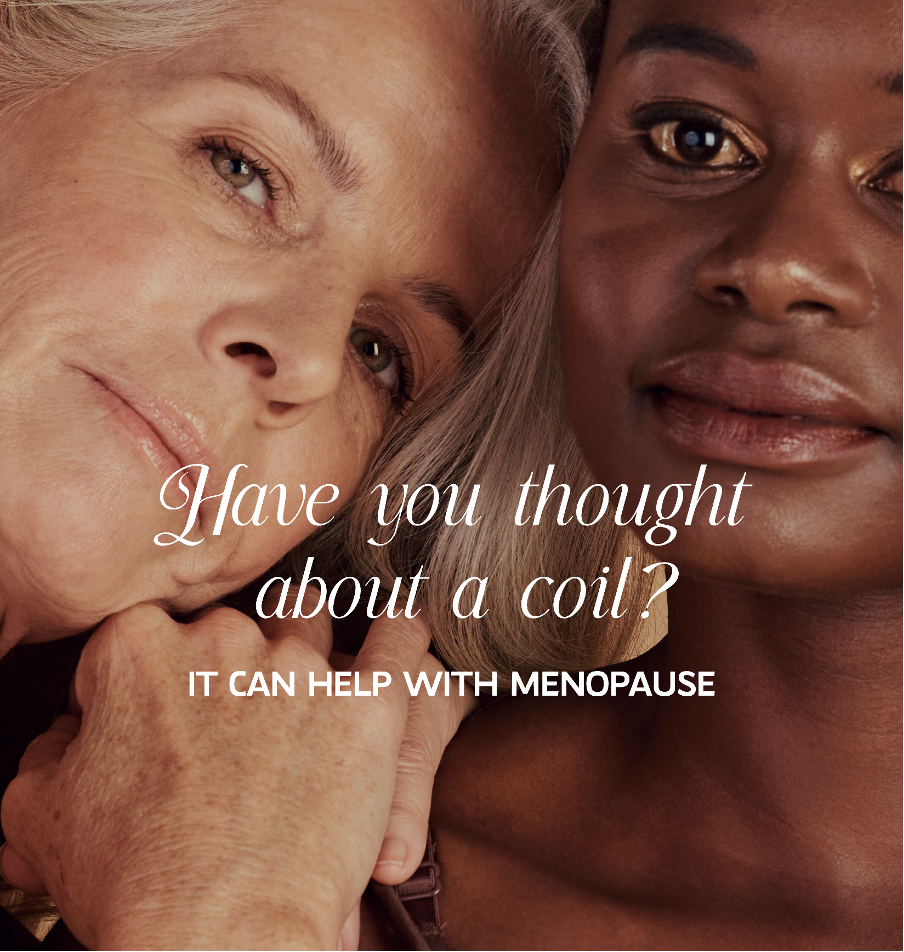
For many women, the word “coil” is closely associated with contraception. However, for women over 40 navigating perimenopause and menopause, the hormonal coil can play a very different and highly valuable role.
As hormone levels change, menstrual patterns often become unpredictable, symptoms can intensify, and the need for effective menopause support becomes increasingly important. In this context, the coil is not about contraception, but about protecting health and improving quality of life during hormonal transition.
At Westbourne Health, coil management is offered exclusively as part of menopause care. This ensures women receive clear, accurate guidance about how the coil can support hormonal treatment and symptom management during perimenopause and menopause, rather than being viewed solely through a contraceptive lens.
Perimenopause typically begins in a woman’s 40s and can last several years before menopause is reached. During this time, levels of oestrogen and progesterone fluctuate, often leading to irregular, heavier, or prolonged periods. Many women also experience symptoms such as hot flushes, disrupted sleep, mood changes, fatigue, and difficulty managing weight. These changes can feel confusing, particularly when periods are still occurring, but symptoms of menopause are already present.
One of the challenges during perimenopause is managing the effects of fluctuating hormones on the womb lining. Oestrogen, whether produced naturally or taken as part of Hormone Replacement Therapy (HRT), can stimulate the lining of the uterus. Without adequate progesterone, this stimulation can increase the risk of endometrial thickening and abnormal bleeding. This is where the hormonal coil plays an important role in menopause support.
When used as part of menopause care, the hormonal coil provides a consistent local source of progesterone to protect the lining of the womb. It can also significantly reduce heavy or irregular bleeding, which is a common concern for women in their 40s and early 50s. For many women, this leads to more predictable bleeding patterns or, over time, lighter periods or no bleeding at all, which can greatly improve day-to-day comfort and confidence.
Importantly, when the coil is used in this way, it is not being prescribed for contraception. Instead, it forms part of a carefully considered menopause management plan. For women who require progesterone alongside oestrogen HRT, the coil can be an effective and convenient option that avoids the need for daily tablets and provides long-term endometrial protection.
At Westbourne Health, decisions around coil use are made following a thorough menopause-focused consultation. This includes a detailed discussion of symptoms, bleeding patterns, medical history, and any current or planned HRT treatment. By approaching coil management through a menopause care framework, women can feel reassured that recommendations are tailored specifically to their stage of life and health needs.
The coil can be particularly beneficial for women who experience heavy or problematic bleeding during perimenopause, or for those who struggle with side effects from oral progesterone. Because the progesterone released by the coil acts mainly within the uterus, systemic side effects may be reduced for some women, making it a well-tolerated option within a broader menopause support plan.
Menopause support is most effective when it looks beyond a single treatment and considers the whole picture. While the coil can play a vital role in protecting the womb and managing bleeding, it is often used alongside other treatments such as oestrogen HRT and supportive lifestyle changes. Together, these approaches aim to relieve symptoms, protect long-term health, and help women feel more like themselves again.
Weight changes are another common concern for women over 40. Hormonal shifts can make weight gain more likely and weight loss more challenging, even when diet and exercise habits have not changed. At Westbourne Health, menopause-aware weight management support is designed to complement hormonal treatment, recognising the metabolic changes that occur during this life stage and focusing on sustainable, realistic strategies.
By integrating menopause-specific coil management with personalised HRT and weight management support, care is designed to be both comprehensive and responsive. Treatment plans can be reviewed and adjusted over time as symptoms evolve, ensuring ongoing support rather than a one-off intervention.
Understanding that the coil is not just a contraceptive device can be empowering for women over 40. When used appropriately as part of menopause care, it can provide reassurance, symptom control, and long-term protection for the womb, allowing women to focus on their wellbeing rather than ongoing hormonal uncertainty.
If you are experiencing symptoms of perimenopause or menopause, or struggling with heavy or irregular bleeding, a professional menopause consultation can help clarify whether the coil has a role to play in your care. With expert guidance and personalised menopause support, it is possible to approach this stage of life feeling informed, supported, and confident in the choices you make.
