
Menopause Support: How HRT and Lifestyle Changes Can Transform Your Wellbeing
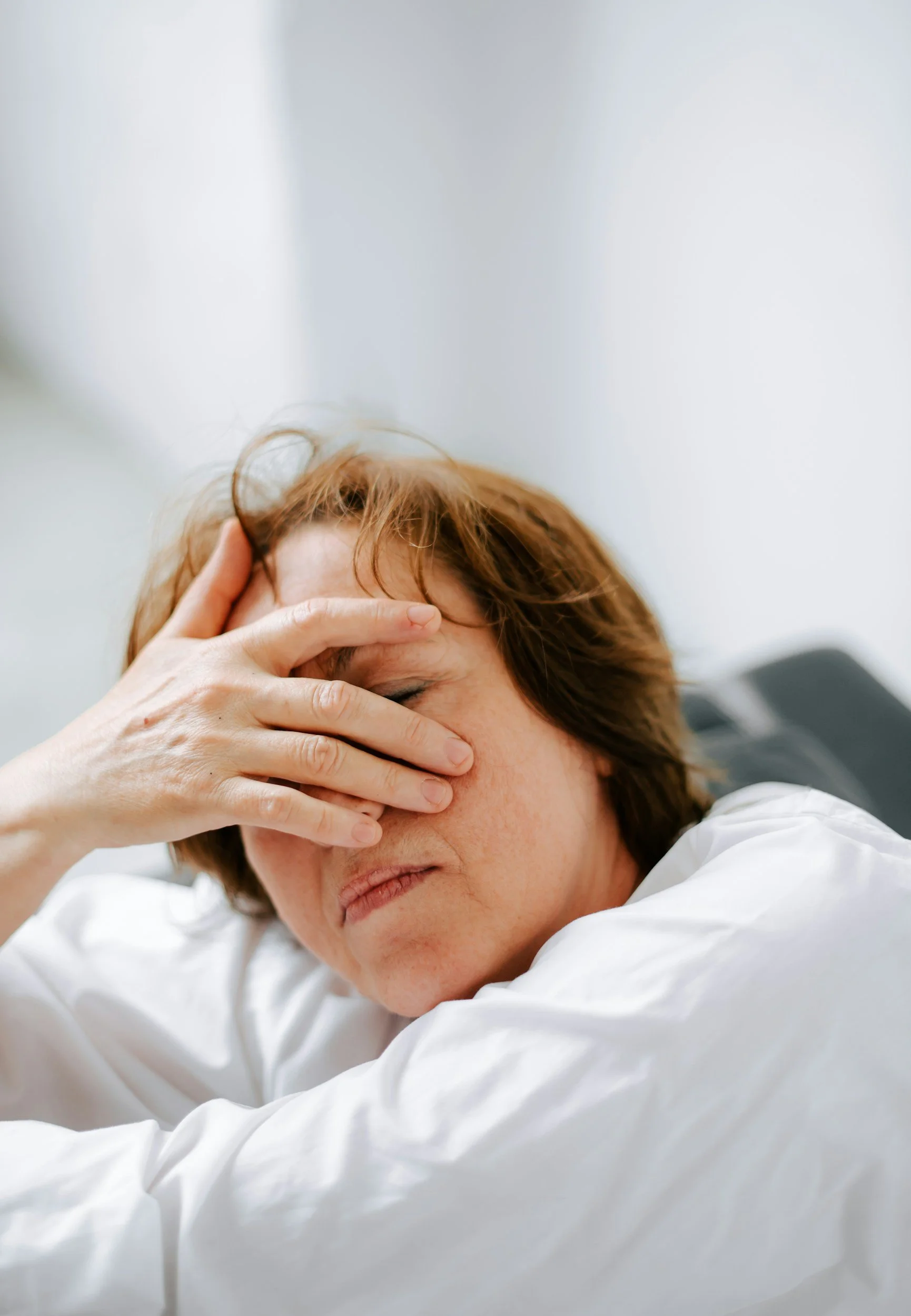
Menopause is a natural stage of life, but for many women it can be one of the most physically and emotionally challenging transitions they experience. Symptoms can affect work, relationships, sleep, confidence, and long-term health. With the right menopause support, however, this phase of life does not have to feel overwhelming or limiting. With personalised, holistic care, many women find they are able to regain balance, confidence, and a sense of wellbeing.
At Westbourne Health, menopause support is centred on understanding each woman’s individual experience. By combining evidence-based medical treatment such as Hormone Replacement Therapy (HRT) with supportive lifestyle guidance, care is tailored to support both immediate symptom relief and long-term health.
Menopause is clinically defined as the point at which a woman has not had a menstrual period for twelve consecutive months and one day, after this period she is considered post menopausal.This most commonly occurs between the ages of 45 and 55. The transition leading up to this stage, known as perimenopause, can begin several years earlier. It is often during perimenopause that women first notice changes in their physical and emotional wellbeing.
As hormone levels, oestrogen and progesterone, fluctuate and decline a wide range of symptoms may develop. These can include hot flushes, night sweats, disrupted sleep, fatigue, changes in mood, anxiety, difficulty concentrating, weight gain, joint discomfort, reduced libido, vaginal dryness, and irregular or heavy periods.
Every woman’s experience of menopause is different, which is why individualised menopause support is so important.
Effective menopause support is not only about managing symptoms in the present. Hormonal changes during menopause can have lasting effects on bone strength, heart health, and metabolic function. Without appropriate support, the risk of conditions such as osteoporosis, cardiovascular disease, and weight-related health concerns can increase later in life. A proactive approach helps protect long-term health while improving day-to-day quality of life.
Hormone Replacement Therapy is one of the most well-established and effective treatments for menopausal symptoms. HRT works by replacing hormones that the body is no longer producing in sufficient amounts, helping to restore balance and reduce the physical and emotional effects of menopause. For many women, HRT can lead to a significant improvement in sleep, energy levels, mood, and overall wellbeing, while also reducing hot flushes and night sweats.
In addition to symptom relief, HRT plays an important role in protecting bone density and supporting long-term health when prescribed appropriately. Current medical guidance supports the use of HRT for most women who begin treatment under the age of 60 or within ten years of menopause, provided there are no medical contraindications. Careful assessment and ongoing review are essential to ensure treatment remains safe and effective.
At Westbourne Health, HRT is never prescribed using a one-size-fits-all approach. Treatment is tailored according to symptoms, health history, and individual preferences. HRT can be delivered in several forms, including patches, gels, sprays, tablets, and local vaginal treatments. For women who still have a womb, progesterone is required alongside oestrogen to protect the lining of the uterus.
For women navigating perimenopause or menopause, a hormonal coil may be recommended specifically as part of menopause management, rather than for contraception. When used in this context, the coil provides the progesterone component of HRT, helping to protect the womb lining and manage heavy or irregular bleeding that can occur during hormonal transition. This option can be particularly beneficial for women seeking a stable and convenient form of progesterone as part of their menopause support plan.
Alongside medical treatment, lifestyle changes play a vital role in supporting wellbeing during menopause. Hormonal changes can make weight gain more likely, particularly around the abdomen, and can also affect energy levels and metabolism. A supportive, realistic approach to nutrition can help women feel more in control of their health during this time.
Weight management support at Westbourne Health takes menopause-related changes into account, focusing on sustainable habits rather than restrictive dieting. By supporting balanced nutrition, maintaining muscle mass, and stabilising blood sugar levels, women are better equipped to manage weight changes and maintain long-term health.
Physical activity is another key pillar of effective menopause support. Regular movement helps support mental wellbeing, reduce stress, and maintain cardiovascular health. Strength and resistance training are particularly important during menopause, as muscle mass and bone density naturally decline with age. Staying active can improve mobility, protect bone health, and support a healthy metabolism.
Sleep disruption and increased stress are common concerns during menopause and can significantly affect quality of life. Hormonal changes can make it harder to fall asleep or stay asleep, while stress can intensify symptoms such as hot flushes and fatigue. Addressing sleep routines, managing stress levels, and making small, practical lifestyle adjustments can have a meaningful impact on overall wellbeing.
The most effective menopause support takes a holistic view of health. Rather than focusing on isolated symptoms, it considers physical health, emotional wellbeing, lifestyle factors, and long-term prevention.
At Westbourne Health, menopause care is built around listening carefully, providing clear information, and working collaboratively with each patient to develop a personalised plan.
Whether a woman is seeking guidance during early perimenopause, exploring HRT options, reviewing existing treatment, or looking for additional support with menopause-related coil management or weight management, care is designed to evolve as needs change over time.
Menopause is a natural transition, but it does not need to be endured without support. With the right combination of medical expertise, lifestyle guidance, and ongoing care, many women find that menopause becomes a time of renewed confidence and improved wellbeing.
If you are experiencing symptoms of perimenopause or menopause, a professional consultation can help you better understand your options and take control of your health. With personalised menopause support, it is possible to feel supported, informed, and empowered at every stage of this transition.
