
Perimenopause Explained: The Symptoms No One Talks About (But Should)
What Is Perimenopause?
Perimenopause is the stage of life when hormone levels begin to fluctuate in the years leading up to menopause. While menopause is defined as the point when periods have stopped for twelve consecutive months, perimenopause can begin several years earlier, often during a woman’s early to mid-40s.
During this time, levels of oestrogen and progesterone fluctuate unpredictably. These hormonal shifts can affect multiple systems within the body, leading to a wide range of symptoms that may not immediately be recognised as menopause-related.
Because perimenopause is still poorly understood and often under-discussed, many women spend years experiencing symptoms without realising that hormonal changes may be the underlying cause.
The Symptoms That Often Go Unrecognised
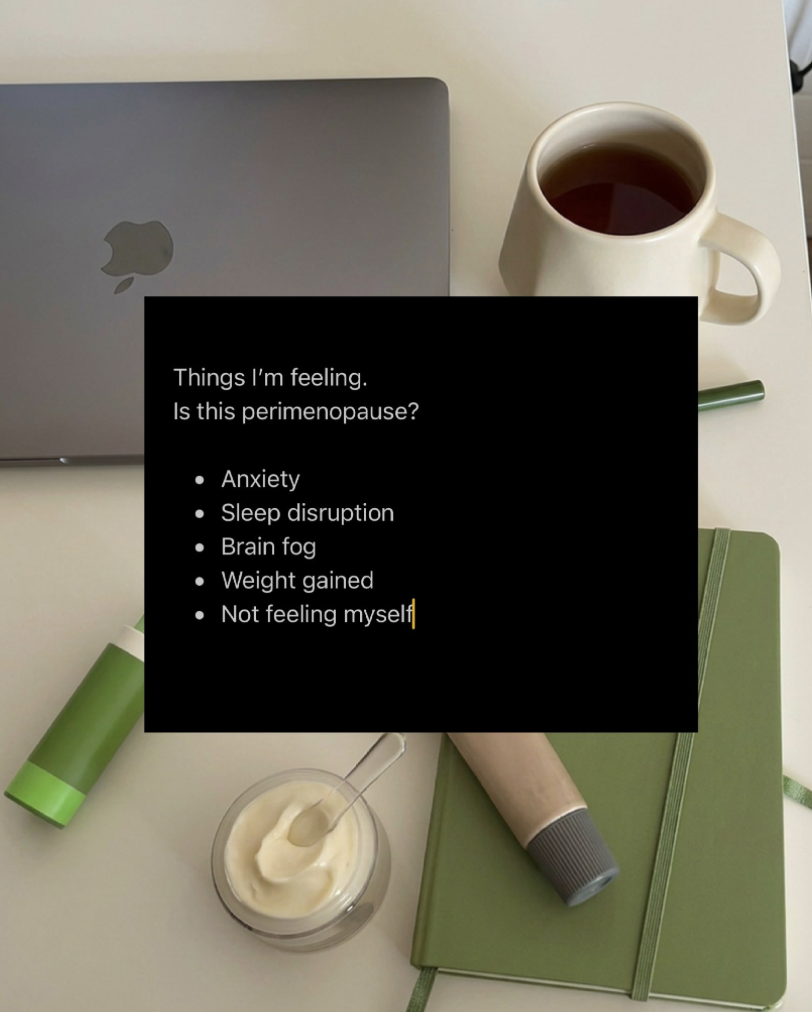
Hot flushes and irregular periods are widely associated with menopause, but many of the earliest perimenopause symptoms are less commonly talked about. Women frequently report changes in mood, increased anxiety, sleep disruption, and difficulty concentrating.
Brain fog is another common experience. Many women describe struggling with memory lapses, reduced mental clarity, or difficulty focusing at work. These changes can feel particularly unsettling when they appear suddenly during a stage of life when women are often managing busy careers and family responsibilities.
Sleep disturbance is also a frequent concern. Hormonal fluctuations can interfere with sleep cycles, making it harder to fall asleep or remain asleep throughout the night. Over time, poor sleep can affect mood, energy levels, and metabolic health.
Another symptom that many women notice is a shift in body composition. Even without significant changes in lifestyle habits, weight may begin to redistribute around the abdomen as hormonal patterns change.
Why Early Recognition Matters
Because perimenopause can last several years, recognising symptoms early can make a significant difference to quality of life. When symptoms are misunderstood or dismissed, women may feel they need to simply push through the changes.
However, hormonal fluctuations can affect both physical and emotional wellbeing. Seeking professional assessment allows women to better understand what is happening within their bodies and explore appropriate treatment options.
At Westbourne Health, consultations focus on listening carefully to each patient’s experience. Symptoms are considered within the wider context of hormonal health, lifestyle factors, and long-term wellbeing.
Understanding Perimenopause Treatment
Perimenopause treatment is tailored to individual needs and symptoms. For some women, lifestyle adjustments and education may provide valuable support. For others, medical treatments such as Hormone Replacement Therapy may help restore hormonal balance and relieve symptoms.
Treatment decisions are made through shared discussions between clinician and patient, ensuring that care is both personalised and evidence based. The aim is not simply to manage symptoms but to support overall health during a significant hormonal transition.
A Trusted Approach to Menopause Care
Perimenopause is a natural stage of life, but it can be challenging when symptoms affect sleep, mood, and daily functioning. Access to accurate information and compassionate clinical care can help women navigate this stage with confidence.
At Westbourne Health, menopause care is centred on education, understanding, and personalised treatment. Women seeking perimenopause treatment in Sheffield can access supportive, clinician-led care designed to help them understand their symptoms and regain a sense of balance.
Get in touch to find out how we can help you feel like the best version of you.
*Our blogs are educational and do not replace the need for a consultation, but highlights the importance behind them, as every body is different, and so is every treatment.
