
Why Midlife Weight Gain Isn’t About Discipline: Understanding the Metabolic Shift
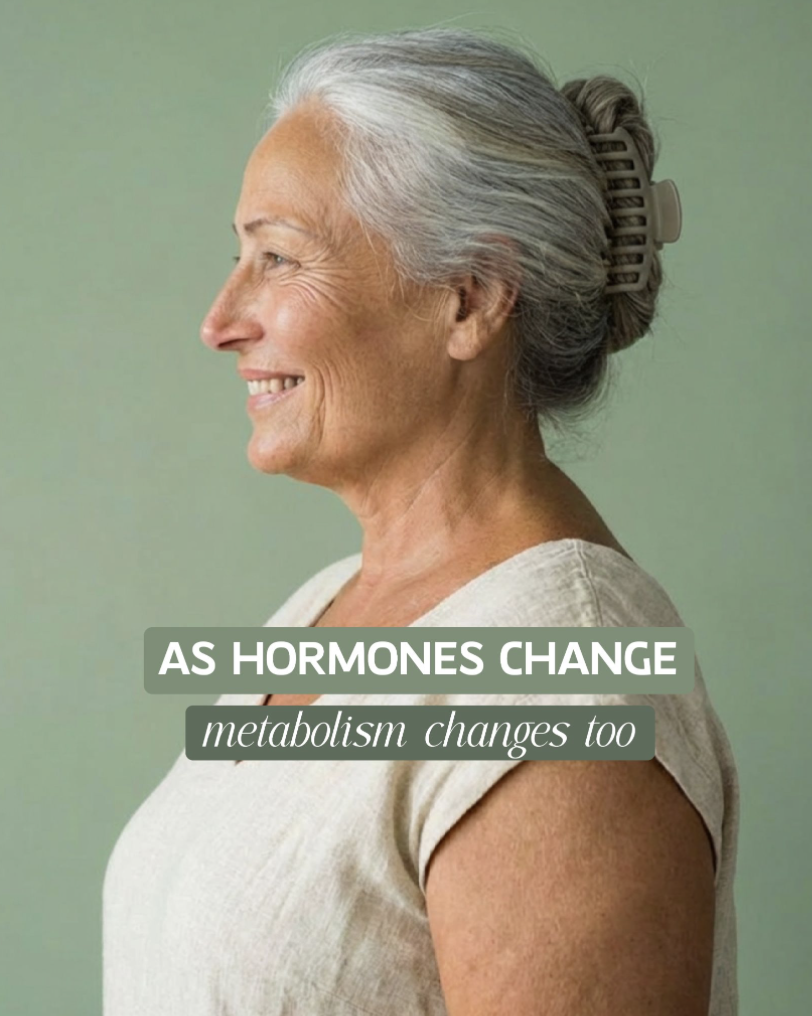
Understanding Midlife Weight Gain
For many women, weight gain during their 40s and early 50s can feel sudden and confusing. Despite maintaining similar eating habits and activity levels, the body begins to respond differently, with weight often accumulating around the abdomen and becoming harder to lose. This change can lead to frustration, particularly when traditional advice about discipline, dieting, and exercise seems to stop working.
In reality, midlife weight gain is rarely a matter of willpower alone. Hormonal changes during perimenopause and menopause significantly influence metabolism, fat storage, muscle mass, and appetite regulation. Recognising these biological shifts is an important step in understanding why weight management often requires a different approach during this stage of life.
At Westbourne Health, weight management is approached as a clinical issue rather than a personal failure. By understanding the hormonal and metabolic drivers of midlife weight changes, women can access personalised support that works with their physiology rather than against it.
The Hormonal Changes Behind the Metabolic Shift
From the early 40s onwards, levels of oestrogen begin to fluctuate as the body transitions toward menopause. Oestrogen plays a key role in regulating body fat distribution, insulin sensitivity, and energy balance. As these levels decline, the body becomes more likely to store fat centrally, particularly around the abdomen.
At the same time, muscle mass gradually decreases with age, a process known as sarcopenia. Because muscle tissue burns more energy than fat tissue, a reduction in muscle mass can slow metabolism. Even small changes in metabolic rate can result in gradual weight gain over time if lifestyle habits remain unchanged.
Hormonal changes can also influence appetite signals, sleep patterns, and stress responses. Disrupted sleep, increased cortisol levels, and fluctuating blood sugar can all make it harder to regulate hunger and maintain stable energy levels throughout the day.
These factors create a complex metabolic environment in which traditional dieting approaches often fail to deliver sustainable results.
Why Dieting Alone Often Stops Working
Many women entering midlife notice that weight loss strategies which once worked well become increasingly ineffective. Strict calorie restriction may initially produce short-term results, but it can also lead to fatigue, muscle loss, and metabolic slowdown.
When the body perceives a sustained energy deficit, it may adapt by conserving energy and increasing hunger signals. This can make it even more difficult to maintain weight loss over time. Without addressing the hormonal and metabolic factors involved, dieting alone can become an exhausting cycle of temporary success followed by regain.
This is why a more personalised and medically informed approach to weight management is often necessary during perimenopause and menopause.
The Role of Clinical Weight Management
A clinician-led approach to weight management focuses on understanding the underlying drivers of weight change rather than simply reducing calorie intake. Hormonal health, sleep quality, metabolic function, and lifestyle patterns are all considered when developing a treatment plan.
At Westbourne Health, consultations explore how menopause-related changes may be affecting metabolism, appetite, and body composition. For some women, addressing hormonal symptoms with appropriate menopause care may also support improvements in weight regulation and overall wellbeing.
Medical weight management may also involve evidence-based therapies that support appetite regulation and metabolic health, delivered safely under professional supervision.
Supporting Long-Term Health
Midlife weight gain is not only a cosmetic concern. Changes in body composition can also influence long-term health risks, including cardiovascular disease, insulin resistance, and reduced mobility.
By addressing weight management within a clinical framework, women can focus on protecting long-term health rather than chasing unrealistic weight loss goals. Sustainable changes in body composition, strength, and metabolic health often provide far greater benefits than short-term dieting success.
A Supportive, Clinician-Led Approach
Experiencing weight changes during perimenopause or menopause can feel isolating, particularly when the conversation around weight often focuses on discipline or motivation. A more compassionate and scientifically informed perspective recognises that midlife weight gain is often driven by biological changes rather than personal shortcomings.
At Westbourne Health, women are supported through personalised care that considers hormonal health, lifestyle, and long-term wellbeing. With the right guidance and clinical support, it is possible to understand these metabolic shifts and take positive steps towards better health.
For those seeking a weight management clinic in Sheffield, professional assessment and personalised care can make a meaningful difference in navigating the changes that accompany midlife. Get in touch with us to see how we can help you, feel more like you.
Get in touch to find out how we can help you feel like the best version of you.
*Our blogs are educational and do not replace the need for a consultation, but highlights the importance behind them, as every body is different, and so is every treatment.
